
Radar Brief · 1 min read
Seasonality is a decision
Seasonality becomes more useful when you connect what is available with the qualities a dish needs. The interesting part is how cooks adapt.
First & Fork Foundation · Editorial field note
What availability can teach
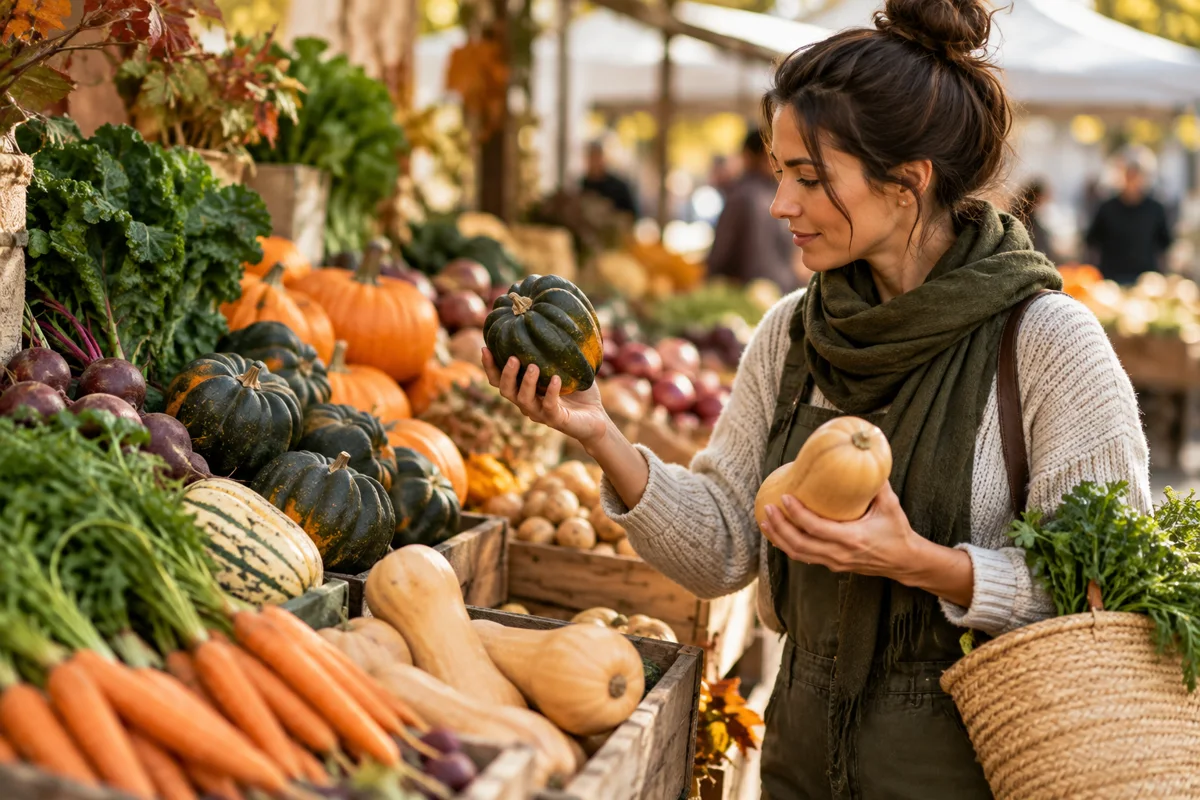
A market display invites questions. Why is this variety here? What makes it useful for a particular preparation? What changes when the ingredient you expected is unavailable? Those questions turn seasonality from a label into a way of paying attention.
Availability alone cannot establish where something was grown or when it was harvested. Talking with the people who know the product gives an observation more context. This article is an editorial reflection, rather than an account of a documented market visit.
Keep the purpose in view
A substitution may change texture, water content, acidity, or cooking time. Thinking about the quality the dish needs helps explain which adjustment matters. The intended result can stay recognizable even when the ingredients change.
Preserved ingredients add another perspective: drying, fermenting, or pickling can give a seasonal product a different role. The useful question is what needs to remain true about the dish and what can change. Local explanations deserve attribution, and one conversation remains one person’s perspective on a place.
Original work & further reading
First & Fork Foundation editorial.
Sign in to create a short team session.